
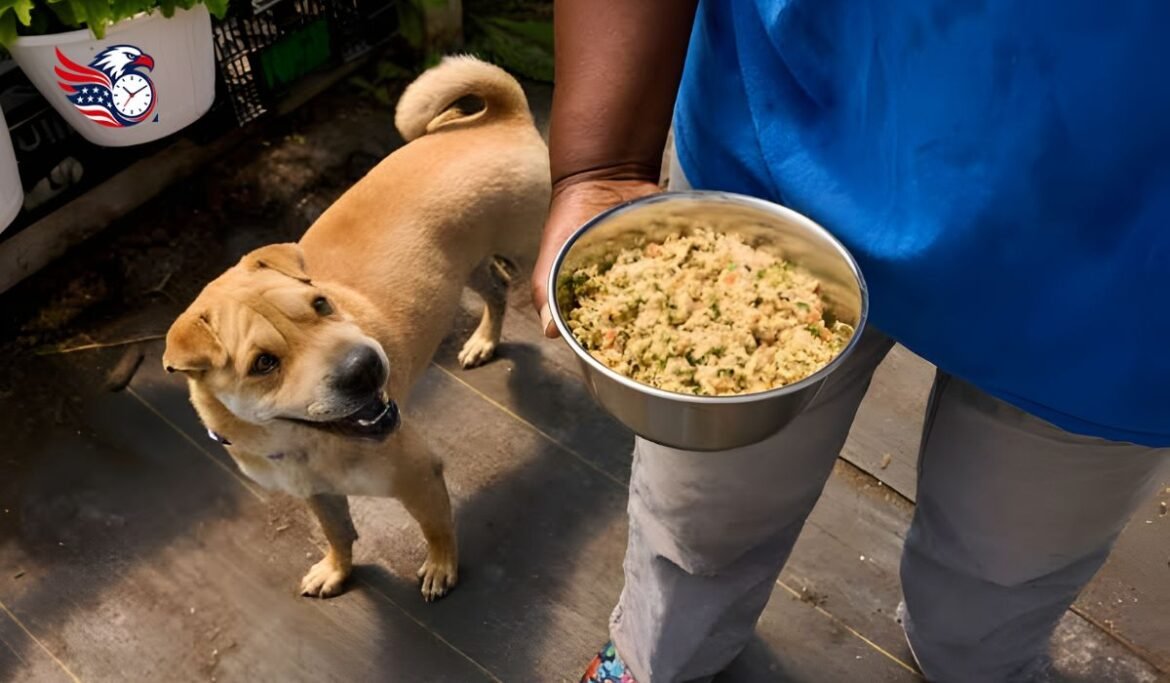
Switching your dog’s meals is exciting, but it also comes with a bit of responsibility. If you have decided to move your dog over to farmer dogs food, you are giving them a fresher, more natural way of eating. Many pet parents notice a shinier coat, better energy, and firmer stools after the switch. But getting there the right way matters just as much as the decision itself. A rushed change can upset your dog’s stomach, while a slow and steady plan sets your dog up for a smooth, comfortable transition. This guide walks you through every stage of the process in plain, simple language, so you know exactly what to expect from day one through day ten and beyond.
Why Switching Your Dog’s Diet Requires a Careful Plan
Dogs have sensitive digestive systems that are used to a routine. When they eat the same food every day, their gut bacteria adjust to break down those specific ingredients. Fresh, gently cooked meals like farmer dogs food are very different from dry kibble in texture, moisture, and ingredient makeup. This is a good thing for long term health, but it also means the stomach needs time to catch up. Moving too fast can lead to loose stools, gas, or a dog that simply refuses to eat. A gradual switch avoids all of that discomfort while still letting your dog enjoy the benefits of a fresher diet sooner rather than later.
Think of it the same way you would think about changing your own eating habits. If you suddenly swapped fast food for fresh vegetables and lean protein, your body would need a few days to adjust too. Dogs are no different, and a gentle runway helps the new food do its job properly.
Getting Ready Before You Start the Switch
Before you begin feeding your dog farmer dogs food, a little preparation goes a long way. Taking a few minutes to plan ahead will make the entire process feel effortless instead of stressful.
Here are a few things worth doing before day one:
- Keep enough of your dog’s current food on hand for the full transition period
- Clear space in your fridge and freezer for the new meals
- Check your dog’s feeding schedule and try to keep meal times consistent
- Have a notepad or your phone ready to track how your dog reacts each day
Once these small steps are done, you are ready to begin the actual transition without any last minute scrambling.
The Step-by-Step Transition Timeline
Most dogs do well with a transition that spreads out over seven to ten days. This gives their digestive system enough time to adjust without feeling rushed. Below is a simple breakdown you can follow, though you should always watch your own dog’s reaction and slow things down if needed.
Days 1 to 3: Introducing Small Amounts
Start by mixing about 25 percent farmer dogs food with 75 percent of your dog’s old food. This small amount is usually enough to introduce the new smell, taste, and texture without overwhelming your dog’s stomach. During these first few days, pay attention to your dog’s stool, energy level, and appetite. Most dogs handle this stage with no trouble at all, though some may show mild curiosity or hesitation around the new food at first.
If your dog seems comfortable by day three, move on to the next stage. If they seem a little unsettled, stay at this ratio for an extra day or two.
Days 4 to 6: Increasing the Portion
Once the first stage goes smoothly, increase the mix to 50 percent farmer dogs food and 50 percent old food. This middle stage is often where dogs start to show real enthusiasm for their meals, since the fresh ingredients tend to smell more appealing than processed kibble. Keep an eye on stool consistency during this phase, since it is common for things to shift slightly as the gut continues adjusting to the new ingredients.
By the end of day six, most dogs are eating their bowl with noticeably more excitement than before, a great sign that the switch is going well.
Days 7 to 10: Completing the Switch
In the final stage, bump the ratio up to 75 percent farmer dogs food and 25 percent old food for a couple of days, then move to a full bowl of the new meals. By day ten, your dog should be eating 100 percent farmer dogs food with no old food mixed in at all. At this point, most dogs have fully adjusted, and you can settle into a regular feeding routine using only the new meals going forward.
Some dogs move through these stages faster, while others need a slower pace, and there is no harm in stretching the timeline to two weeks if needed.
Signs Your Dog Is Adjusting Well
As you move through the transition, it helps to know what a smooth adjustment actually looks like. A dog that is adapting well will usually show steady energy levels, a normal appetite, and stool that firms up within a day or two of each new ratio increase. You might also notice your dog finishing meals faster than before, showing more interest at feeding time, and generally seeming more satisfied after eating.
Coat and skin improvements often take longer to show up, sometimes several weeks, since these changes happen gradually. Small early signs are usually a good indicator that bigger improvements are on the way.
What To Do If Your Dog Has a Rough Transition
Even with a careful plan, some dogs react a little differently than expected. If you notice loose stools, occasional vomiting, or a dog that seems reluctant to eat, the first step is simply to slow down. Go back to the previous ratio for a few extra days before trying to increase the new food again. This small pause often resolves the issue completely.
If digestive upset continues for more than a few days, or your dog seems unusually tired or uncomfortable, reach out to your veterinarian. Dogs with sensitive stomachs, allergies, or existing health conditions may need a longer, more gradual approach than the standard ten day plan.
Tips for Picky Eaters
Some dogs are naturally cautious around new food, and that is completely normal. If your dog seems hesitant during the early days of the switch, try warming the food slightly to release more of its natural aroma, which often makes it more appealing. A small splash of low sodium broth mixed into the bowl can also help bridge the gap between old and new flavors.
Consistency matters too. Feeding at the same time each day, in the same spot, creates a sense of routine that eases hesitation. Most picky eaters come around within the first week.
Storing and Preparing Meals During the Switch
Since farmer dogs food is fresh rather than shelf stable, proper storage plays a role in keeping mealtime smooth. Keep unopened portions in the freezer until you are ready to use them, and move each pack to the refrigerator about a day before feeding so it has time to thaw safely. Once thawed, meals typically stay fresh in the fridge for a few days, which makes it easy to prepare portions ahead of time for the week.
Always check that meals are fully thawed and at a cool, safe temperature before serving, so your dog gets the full nutritional benefit of every bowl.
Common Mistakes to Avoid
One common mistake is rushing the process because the dog seems to love the new food right away. Even an eager eater needs time for their digestive system to catch up, so sticking to the schedule matters. Another mistake is skipping days or forgetting to track how the dog is responding, which makes small issues harder to catch early.
It also helps to avoid introducing other dietary changes, like new treats or supplements, during the transition window. Keeping everything else consistent makes it easier to tell how your dog is truly responding to the new meals.
Final Thoughts
Transitioning your dog to farmer dogs food does not need to feel complicated. With a simple, gradual plan spread across seven to ten days, most dogs adjust comfortably and start showing real benefits within just a few weeks. The key is patience, consistency, and paying close attention to how your dog responds at each stage. Every dog moves at their own pace, and there is no rush to finish early. By preparing ahead of time, following a steady schedule, and watching for the small signs of a healthy adjustment, you are giving your dog the best possible start with their new diet. In the end, a little extra care during the switch leads to a happier, healthier dog at mealtime for years to come.
Frequently Asked Questions (FAQs)
1. How long does it usually take to fully switch a dog to farmer dogs food?
Most dogs adjust comfortably within seven to ten days using a gradual mixing schedule. Some dogs, especially those with sensitive stomachs, may need up to two weeks for a smoother transition.
2. Is it normal for my dog’s stool to change during the switch?
Yes, mild changes in stool color or texture are common as the body adjusts to fresh ingredients. If loose stools continue for more than a few days, slow down the transition and consult your veterinarian.
3. Can I speed up the transition if my dog loves the new food right away?
It is best to stick with the gradual schedule even if your dog seems eager, since the digestive system still needs time to adjust internally. Rushing the process can lead to unexpected stomach upset later on.
4. What if my dog refuses to eat the new food at first?
Try warming the meal slightly or adding a small splash of broth to make it more appealing. Sticking to a consistent feeding routine also helps hesitant eaters warm up within the first week.
5. Do I need to change how much I feed my dog once fully switched?
Fresh meals are often more nutrient dense than processed food, so portion sizes may be smaller than before. Always follow the recommended serving guidelines rather than your dog’s old feeding amounts.
6. How should I store the food during the transition period?
Keep unused portions frozen and move only what you need to the refrigerator about a day before feeding. Thawed meals generally stay fresh for a few days when kept properly chilled.
7. Should I talk to my vet before starting the transition?
It is a good idea to check with your veterinarian first, especially if your dog has allergies, a sensitive stomach, or an existing health condition. Your vet can help you customize the transition timeline for your dog’s specific needs.
Read Next: Easy USA Flag Drawing Tutorial: Draw a Realistic Waving Flag in Minutes






One thought on “How to Transition Your Dog to Farmer Dogs Food: Step-by-Step Feeding Guide”
Comments are closed.