
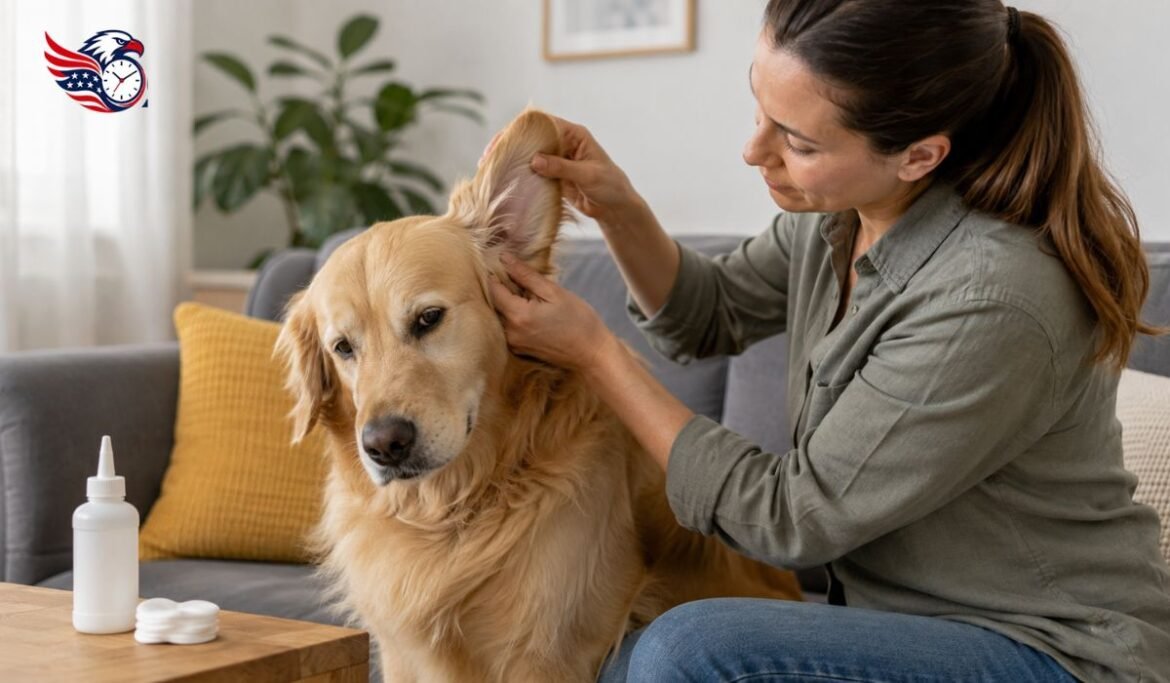
If your dog has been shaking its head, scratching at its ears, or whining when you touch its head, there is a good chance an ear infection is behind it. This is one of the most common health problems dog owners deal with, and it can show up in puppies, seniors, and every dog in between. The good news is that mild cases can often be soothed and managed at home once you understand what is causing the problem. The key is knowing the difference between a minor irritation you can handle yourself and a deeper infection that needs a veterinarian. This guide walks through the early warning signs, common causes, safe home care, and simple habits that lower the chance of the problem coming back.
Dog ears are shaped very differently from human ears. The canal bends downward and then turns sideways before reaching the eardrum, which creates a perfect trap for moisture, wax, and debris. That shape is one reason certain breeds struggle with this issue far more than others. Dogs with long, floppy ears, such as spaniels and retrievers, have less airflow reaching the canal, which keeps things damp and warm. Warm, damp spaces are exactly where yeast and bacteria multiply, which explains why these breeds see repeat infections more often than dogs with upright ears.
Common Signs Your Dog May Have an Ear Infection
Dogs cannot tell you their ear hurts, so they show it through behavior instead. Head shaking is usually the very first sign, followed by scratching or pawing at the ear. You might also notice your dog rubbing its face against furniture, trying to relieve the itch. A strong, unpleasant smell coming from the ear is another common clue, along with redness or swelling on the inside of the ear flap.
As the irritation builds, you may see darker wax buildup, a brownish or yellowish discharge, or your dog holding its head tilted to one side. Some dogs pull away when you try to touch their ears, which is a clear signal something is bothering them. Catching these signs early gives home care a much better chance of helping before the problem gets worse.
What Causes Ear Infections in Dogs
There is rarely just one reason a dog develops an ear infection. Most cases start with something that changes the normal balance inside the ear canal, allowing yeast or bacteria that are normally present in small amounts to grow out of control. Moisture is one of the biggest triggers, especially in dogs that swim often or get bathed without their ears being dried afterward.
Allergies are another major factor that owners often overlook. Food sensitivities and environmental allergies, such as pollen or dust, can inflame the ear canal and set the stage for infection. Ear mites are a common cause in puppies and can spread quickly between pets in the same home. Excess hair inside the canal, foreign objects like grass seeds, and hormonal imbalances can also play a role. Because there are so many possible triggers, a dog with repeat infections usually has an underlying cause that needs attention, rather than just treating the symptoms each time.
When Home Care Is Appropriate
Home remedies work best for mild, early-stage irritation, not for advanced infections. If your dog is only showing light scratching, mild odor, or slight redness, gentle home care may be enough to calm things down. However, if the ear has thick discharge, a strong foul smell, visible pain, swelling, or if your dog is tilting its head strongly or losing balance, this points to a deeper infection that home remedies cannot fix. Waiting too long in these cases can lead to permanent damage, including hearing loss, so it is always safer to involve a veterinarian when symptoms are severe or do not improve within a couple of days.
Cleaning the Ear Properly Before Any Treatment
Before trying any remedy, the ear needs to be clean. Dirt, wax, and debris sitting in the canal will block a remedy from reaching the skin, so cleaning always comes first. Lift the ear flap gently and look inside with good lighting. Use a soft cloth or cotton ball, never a cotton swab, since swabs tend to push debris further down the canal instead of removing it.
A gentle, dog-safe ear cleanser works best for this step. Apply a small amount to the cloth, wipe the visible folds of the ear, and let your dog shake its head afterward, which naturally loosens debris from deeper inside. Never force anything into the canal itself. If your dog resists or seems to be in pain during cleaning, stop and consult a veterinarian instead of pushing through.
Safe Home Remedies for Mild Ear Irritation
A few natural options are commonly used to soothe mild irritation once the ear has been cleaned. Warm coconut oil is one of the most popular choices because of its natural antibacterial and antifungal qualities. Warm a small amount until it is just above room temperature, never hot, and apply one or two drops to the outer ear with a cotton ball, gently massaging the base afterward.
Diluted apple cider vinegar is another remedy many owners try, since its mild acidity can help restore a healthier pH on the skin. Always dilute it with water, roughly one part vinegar to two parts water, and never use it on a raw or actively infected ear, since it can sting. Cooled green tea is a gentler option that most dogs tolerate well. Brew a cup, let it cool completely, and use a soft cloth soaked in the tea to wipe the outer ear, which can calm redness and mild swelling.
Plain aloe vera gel, without added alcohol or fragrance, can also soothe irritated skin around the outer ear. Apply a small amount with clean fingers, keeping it away from the inner canal. These remedies offer comfort and mild support, not a cure for an active infection. If you notice increased redness or discomfort after trying any of them, stop right away.
A few important things to keep in mind before trying home care:
- Never use hydrogen peroxide, rubbing alcohol, or undiluted vinegar, since these can burn sensitive tissue and delay healing.
- Avoid tea tree oil and other essential oils entirely, as they are toxic to dogs even in small amounts.
- Skip cotton swabs inside the canal, since they can pack debris deeper and even injure the eardrum.
- Stop any remedy immediately if your dog shows pain, whimpering, or worsening symptoms.
Diet and Allergies: The Root of Repeat Infections
If your dog keeps getting ear infections every few months, the real issue is often food or environmental allergies rather than the ear itself. A high-quality, balanced diet supports healthy skin, which supports healthier ears. Some owners work with their veterinarian on an elimination diet, removing certain proteins for a few weeks to see if symptoms improve. It takes patience, but it can uncover the actual trigger instead of only treating the surface problem again and again.
Environmental allergies, such as pollen, dust, or mold, can also inflame the skin lining the ear canal. Dogs with year-round allergy symptoms, like itchy paws or watery eyes, are especially likely to have ear flare-ups too. Addressing allergies as a whole, rather than only the ears, usually reduces how often infections come back.
Preventing Future Ear Infections
Prevention is far easier than treatment once an infection takes hold. Keeping the ears dry after baths and swimming is one of the simplest habits that makes a real difference, since trapped moisture is the most common trigger. Gently towel dry the outer ear and, if your dog swims often, consider a vet-approved drying solution afterward.
Routine ear checks should become part of your normal grooming routine, ideally once a week. Lift the flap, take a quick look and sniff, and clean gently if you notice early wax buildup. Dogs with hairy ear canals may need occasional trimming around the opening for better airflow, which a groomer or vet can help with. Monthly parasite prevention also helps rule out ear mites as a recurring cause. Small, consistent habits like these keep minor irritation from turning into a painful infection down the road.
When It Is Time to See a Veterinarian
Home care has its limits, and knowing when to stop trying remedies matters just as much as knowing how to apply them. Take your dog to the vet if you notice thick discharge, a strong foul odor, visible pain when touched, swelling, bleeding, or a head tilt that does not go away. Loss of balance, circling, or sudden hearing changes signal a deeper infection that needs immediate professional care.
A veterinarian can identify whether the infection is caused by yeast, bacteria, mites, or an underlying condition, which determines the right treatment. Guessing at home with the wrong remedy can let the infection spread or worsen, so when in doubt, professional care is always the safer choice.
Final Thoughts
Caring for a dog’s ears does not need to be complicated, but it does require attention and consistency. Learning to recognize early signs, keeping the ears clean and dry, and using gentle, dog-safe remedies for mild irritation can go a long way toward keeping your dog comfortable. At the same time, respecting the limits of home care matters just as much, since a serious infection left untreated can cause lasting harm. By combining simple prevention habits with quick action when something seems wrong, you give your dog the best chance at healthy, pain-free ears for years to come.
Frequently Asked Questions (FAQs)
1. How can I tell if my dog has an ear infection?
Watch for head shaking, scratching, redness, odor, or discharge. A head tilt or sensitivity when you touch the ears are also strong signs that an infection may be present.
2. Are home remedies safe for all dog ear infections?
No, home remedies only suit mild, early irritation. Severe infections with pain, swelling, or heavy discharge need veterinary treatment to prevent lasting damage.
3. Can I use apple cider vinegar in my dog’s ears?
Diluted apple cider vinegar can help mild irritation, but it should never touch broken or actively infected skin, since it can sting and make things worse.
4. Is coconut oil good for dog ear infections?
Warm coconut oil can soothe mild irritation and has natural antibacterial properties, but it will not cure a full infection alone and should be used sparingly.
5. Why does my dog keep getting ear infections?
Repeat infections are often linked to underlying allergies, whether from food or the environment. Addressing the allergy itself usually reduces how often problems return.
6. How long does it take for a mild ear infection to heal at home?
With consistent gentle cleaning and care, mild irritation often improves within a few days. If there is no improvement within 48 hours, a veterinary visit is recommended.
7. What should I never put in my dog’s ears?
Avoid hydrogen peroxide, rubbing alcohol, undiluted vinegar, and tea tree oil or other essential oils, since these can burn tissue or cause toxic reactions in dogs.
Read Next: Taylin Gallacher: Everything to Know About Taylor Lewan’s Wife






One thought on “Home Remedies for Ear Infection in Dogs: Signs, Causes, Treatment & Prevention”
Comments are closed.